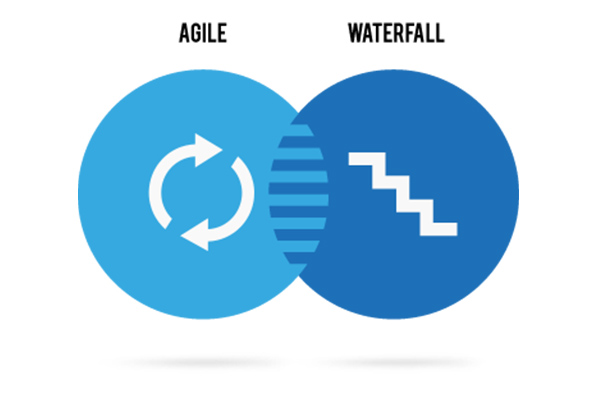
The successful delivery of the projects is one of the priorities of the UK businesses that work in the competitive sectors, i.e., IT, finance, construction, healthcare and digital services. Project management method, Agile vs Waterfall, may have a significant impact on the results of the project, the productivity of the team, and the satisfaction of clients.
Noukha Technologies in this blog deconstructs the advantages, constraints and most suitable situations of Agile vs Waterfall to enable UK organisations to choose the appropriate model to make their projects more successful.
Agile vs waterfall project management method – which suits you the best
Consideration of Agile Methodology
Agile is a collaborative, rapid and flexible method of project management. Agile divides the project into small iterations (sprints) instead of doing them in one sequence and thereby permitting continuous improvement and a faster delivery. 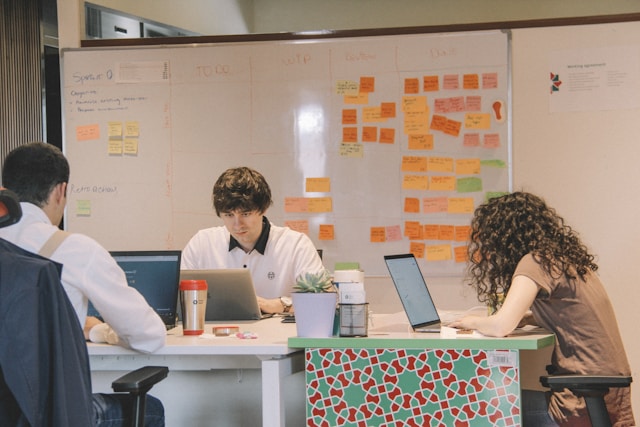
Key Features of Agile
- Iterative development
- Involvement of high stakeholders.
- Rapid feedback cycles
- Testing and improvement.
- Flexibility to changing demands.
Benefits of Agile to UK Businesses
- Faster time-to-market
- Better handling of change
- Greater collaboration within the teams
- Better customer satisfaction
- Minimized risks by continuous testing
Limitations of Agile
- Needs serious stakeholders.
- Has the potential to cause a scope creep.
- Smaller predictability of schedules and budgets.
Knowing the Waterfall Methodology
Waterfall is a project management method that is linear and sequential where one phase is finished and then the other commences. It is formal and highly documented which makes it suitable to foreseeable stable projects. 
Key Features of Waterfall
- Step-by-step project phases
- Stated requirements before hand.
- Detailed documentation
- Predictable schedules
Benefits of Waterfall to Businesses in the UK.
- Highly organised process
- Easy progress tracking
- Strong documentation trail
- Prefer superior to fixed-scope, compliance-intensive projects.
Limitations of Waterfall
- Difficult to adapt to change
- Delays identified at late stages.
- Poor customer participation in development.
Agile vs Waterfall: A Head-to-Head Comparison in UK projects
|
Feature |
Agile |
Waterfall |
| Flexibility | Very high | Low |
| Predictability of costs | Medium | High |
| Delivery Speed | Fast and iterative | Slower and sequential |
| Risk Management | Continuous | Final-stage testing |
| Suited to | Dynamic, changing projects | Fixed-scope, structured projects |
Which is the best Project management Method that gives the best results to UK Businesses?
Agile vs Waterfall
The response is dependent on the nature of business environment, project type and expectation of all the stakeholders.
Agile Works Best When: 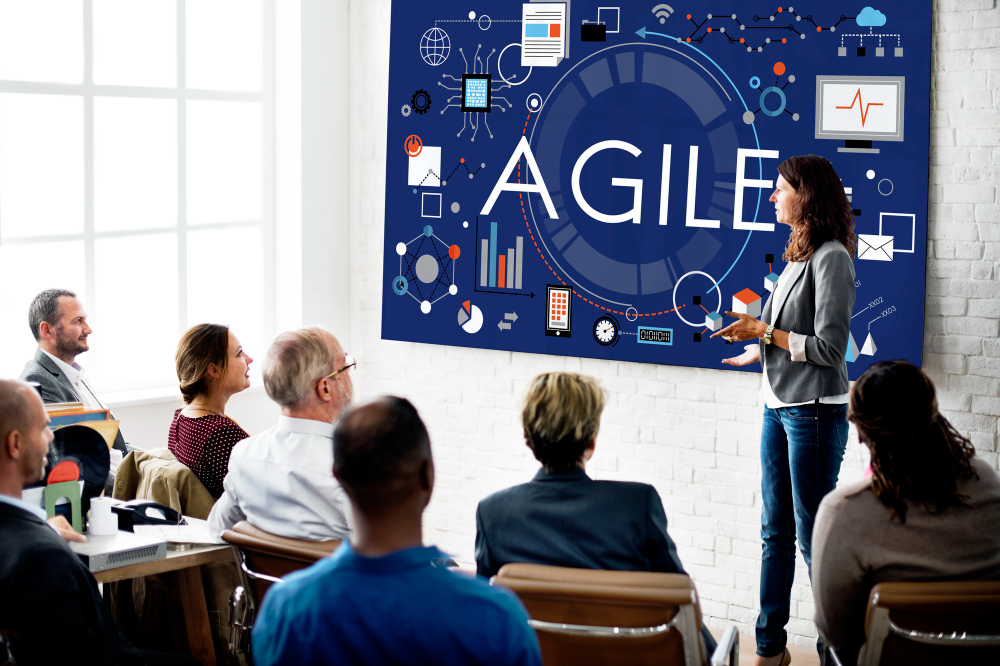
- Specifications change very often.
- Innovation and user response are required in the project.
- Quickness and flexibility are important.
- The team is able to work in constant collaboration.
Waterfall Works Best When:
- Requirements are determined at the beginning.
- There are compliance/regulatory limitations of the project.
- Predictability and documentation are necessary.
- The project is large with minimal changes expected.
What Noukha Technologies Suggests:
At Noukha Technologies, we assist the UK businesses in embracing a hybrid, result-based project management system. It is an advantage to many modern organisations to have the flexibility of Agile with the structure of Waterfall to ensure stability, transparency and quicker delivery.
Our specialists determine the scope of your project, its risk intensity, schedule and team interaction of the project to suggest the approach that would be the most successful.
Conclusion
Agile and Waterfall have their great benefits, and the superior one is determined by the needs of your project. Agile is preferred by UK businesses that focus on innovation, whereas highly regulated or predictable projects remain open to Waterfall.
You can guarantee improved results in delivery, enhanced productivity and customer satisfaction with the right approach and with professional consultancy by Noukha Technologies.
FAQs
Q1. What is the most cost-effective project management approach to UK businesses?
Waterfall does have foreseeable budgets whereas Agile can be cheaper than other projects with requirements that might change.
Q2. Is it possible to integrate Agile and Waterfall?
Yes. A large number of UK enterprises implement a blend strategy between the flexibility of Agile and the planning framework of the Waterfall.
Q3. Is Agile more suitable to long-term projects?
Agile is best suitable to long-term or changing projects since it provides updates and feedback to the users.
Q4. Which one would provide faster delivery?
The Agile usually moves quicker due to the release of work in small bursts.
Q5. What is the most appropriate methodology to use in my project?
Test the size of the project, risk status, regulation and the working capacity of your team. This is an assessment that can be given to you by Noukha Technologies.